How Hurricane Season Affects Your Fence and How to Prep
A fence is one of the most exposed structures on any Central Florida property, and hurricane season puts that exposure to the test. High winds, wind-driven rain, falling branches, and airborne debris all put direct stress on posts, panels, and gates, and a fence that looked fine in June can end up flattened, leaning, or missing sections after a single named storm.
The good news is that most storm damage to fences is predictable, and a lot of it is preventable with a few hours of prep before the season ramps up. This guide walks through what actually happens to a fence during a storm, how to check yours before hurricane season arrives, and what reinforcement, gate prep, and post-storm steps actually make a difference.
Understanding Fence Risks During Hurricane Season
Before prepping a fence for storm season, it helps to understand exactly what forces are working against it and where those forces tend to find the weakest point.
How Storms and Forces Impact Fences During Hurricane Season
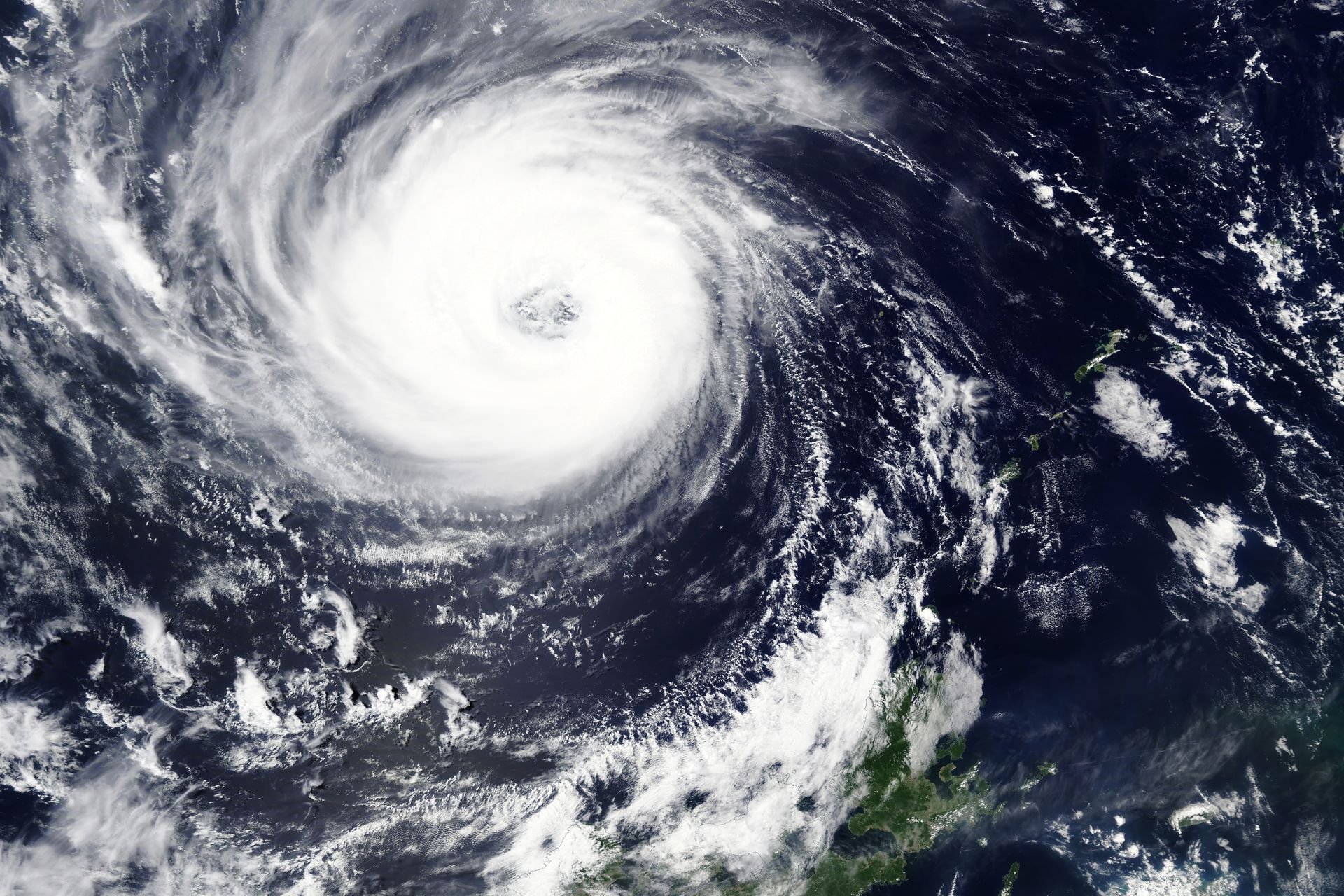
Wind doesn't just push against a fence evenly — it creates gusting, uneven pressure that flexes panels, twists posts in their footings, and pulls at every screw, nail, and bracket holding the structure together. Saturated ground from heavy rain also loosens the soil around post footings, which is often why a fence that survives the wind during a storm ends up leaning or falling over in the days afterward, once the ground has softened further.
Identifying Potential Weaknesses in Your Fence
The weak points on most fences are consistent: posts that were never set in enough concrete, panels with loose or corroded fasteners, gates with worn hinges, and any section that's already leaning or has visible rot or rust. Walking the fence line and looking specifically for these issues, rather than just glancing at the overall look of the fence, is the fastest way to spot what's likely to fail first.
Pre-Season Fence Check and Routine Maintenance Before Hurricane Season
A pre-season check doesn't need to be complicated, but it does need to happen early enough that any repairs can be made before a storm is already in the forecast.
When and How to Conduct a Pre-Season Fence Check
The best time to check a fence is at the start of hurricane season, before the first storm is tracking toward Florida, since repair materials and contractor schedules get tight once a storm is close. Walk the entire fence line, test each post for movement by hand, check panels for warping or cracking, and open and close every gate to feel for sticking or excess play in the hinges.
Addressing Minor Issues for Stronger Fence Performance
Small issues compound during a storm — a slightly loose panel or a hairline crack in a post can turn into a much bigger failure once wind and rain are added to the equation. Addressing minor wear now, rather than waiting to see if it holds, is one of the most effective and least expensive parts of hurricane prep.
Tighten Hardware and Secure Materials for a Safer Fence
Every screw, bolt, bracket, and hinge on a fence is a point where a storm can find leverage. Going through the fence line and tightening or replacing loose, rusted, or stripped hardware gives every connection point a better chance of holding through sustained wind and gusts.
Choosing and Installing the Best Hurricane-Resistant Fence
For homeowners installing a new fence or replacing one that didn't hold up, material and design choice make a real difference in how the fence performs during future storms.
Fence Material Wind Resistance Comparison
Every fence material handles wind differently. Wood fencing can be reinforced with additional posts and hardware but is more vulnerable to rot and splitting over time if not maintained. Vinyl fencing is designed to flex under wind load rather than crack, which can help it perform well in gusting conditions when properly installed. Aluminum fencing is lightweight and corrosion-resistant, with an open picket design that lets wind pass through rather than push against a solid surface. There's no fence material that performs identically to another in every storm, so the right choice depends on your property, budget, and how much maintenance you want to take on.
Wind-Resistant Fence Designs and Installation Tips
Open or semi-open designs, such as picket-style aluminum or spaced wood boards, generally handle wind better than solid privacy panels, simply because there's less surface area for wind to push against. Proper post depth, spacing that matches the manufacturer's specifications, and quality fasteners all matter as much as the material itself.
Reinforcement Approaches to Strengthen Your Fence for Storms
Whether a fence is new or several years old, a handful of reinforcement steps can meaningfully improve how it holds up under wind load.
Key Reinforcement Approaches for Fence Posts and Panels
Posts set deeper and with adequate concrete footing resist twisting and leaning far better than posts set shallow or in loose soil. Adding additional post supports at corners, gate openings, and long unbroken runs — the sections that see the most wind leverage — is one of the most effective upgrades a homeowner can make before storm season.
Securing Fence Connections and Joints Against Storm Damage
Every joint where a panel meets a post or a rail meets a panel is a potential failure point. Upgrading to corrosion-resistant hardware, adding extra fasteners at high-stress joints, and checking that brackets haven't loosened over time all help keep a fence intact as a single connected structure rather than a series of parts that can separate under pressure.
Storm-Proof Gate Preparation and Final Pre-Storm Steps
Gates are often the first part of a fence to fail in a storm, since they're a moving component with more hardware and more exposed edges than a fixed panel.
Reinforcing Wooden Gates for Hurricane Season
A wooden gate can be reinforced with a diagonal brace to prevent racking, along with heavier-duty hinges and a secondary latch or drop bolt to keep it from swinging or blowing open during high winds. Homeowners planning a new gate or upgrading an existing one can see options on our entry gate installation page.
Preparing for Storms by Clearing Low-Hanging Branches and Debris
Overhanging branches are one of the most common causes of storm damage to an otherwise sound fence, since a falling limb can snap panels or knock posts out of alignment regardless of how well the fence itself was built. Trimming back branches near the fence line and clearing loose yard debris that could become a projectile are quick, high-value steps before a storm arrives.
Responding After the Storm: Assessing Damage and Repairing Your Fence
Once the storm has passed, a careful inspection determines whether the fence needs a minor repair, a partial rebuild, or a full replacement.
Inspecting for Damage and Wear After a Storm
Walk the entire fence line looking for leaning or shifted posts, cracked or missing panels, damaged hardware, and any section that moved even if it's still standing. Storm damage isn't always obvious at first glance — a post that shifted slightly in saturated soil may not fail until weeks later.
When to Repair, Replace, or Reset Your Fence After Storm Damage
Minor issues like a loose panel or a single damaged section are usually a straightforward repair. Posts that have shifted, cracked, or pulled loose from their footing typically need to be reset or replaced rather than patched, since a compromised post will keep moving under future wind loads.
Importance of Professional Installation for Hurricane-Resistant Fencing
Proper post depth, correct hardware, and design choices that account for wind exposure are easier to get right the first time with an experienced installer than to correct after the fact. Lifetime Fence & Deck has installed and repaired fences across Central Florida since 1998, and you can see examples of completed installations in our work or read what homeowners have said in our customer reviews.
Hurricane-Proofing Fences: What's Possible and What's Not
No fence, regardless of material, design, or reinforcement, can be made completely hurricane-proof. Storms bring a level of wind, debris, and flooding that can exceed what any residential fence is built to withstand, and any claim otherwise should be treated with skepticism. What proper material selection, installation, and reinforcement can do is meaningfully improve a fence's odds of surviving a storm intact, and reduce the scope of repairs needed afterward. Setting that expectation up front helps homeowners plan realistically rather than being caught off guard by damage after a major storm.
Frequently Asked Questions About Fence Prep, Storms, and Longevity
How far in advance of hurricane season should I check my fence?
Early in the season, before any storm is actively being tracked toward Florida, gives enough time to schedule repairs without the pressure of an approaching storm.
Should I take my fence panels down before a storm?
For most residential fences this isn't necessary or practical, but any loose, damaged, or already-leaning sections should be addressed or temporarily secured before a storm arrives.
Is vinyl or wood better for hurricane-prone areas?
Both can perform well when properly installed and maintained. The better choice depends on your property, budget, and how much ongoing maintenance you're willing to take on — our team can walk through the tradeoffs for your specific property.
My fence is still standing after a storm — do I still need an inspection?
Yes. Posts can shift in saturated soil and hardware can loosen without causing an immediate, visible failure, so a fence that's still standing can still have developed issues that show up later.
Can a damaged fence be repaired, or does it need full replacement?
It depends on what failed. Isolated panel or hardware damage is often repairable, while shifted or cracked posts usually call for a reset or replacement of that section. If you're not sure which applies to your fence, our team can assess it as part of a free consultation and quote.
Homeowners across our Volusia County, Flagler County, and Daytona Beach service areas can reach out any time of year for a pre-season check, storm reinforcement, or post-storm repair — browse our full range of fencing services to get started.
Lewis Dickerson