Vinyl vs. Wood vs. Aluminum Fencing: Which Is Right for Your Florida Home?
Picking the right fence for your Central Florida home isn’t something you want to rush. We’re talking about more than just drawing a line between what’s yours and what’s not. The material you choose for your fence influences security, curb appeal, maintenance, and even your property value in a real, measurable way.
This guide will break down everything homeowners need to know about vinyl, wood, and aluminum fencing. We’ll talk costs, looks, how each holds up in Florida’s heat and humidity, plus which options fit different budgets and styles. By the time we’re done, you’ll feel ready to make a smart call for your property—whether privacy, durability, or a little front-porch charm matters most to you.
Material Comparison for Central Florida Homes
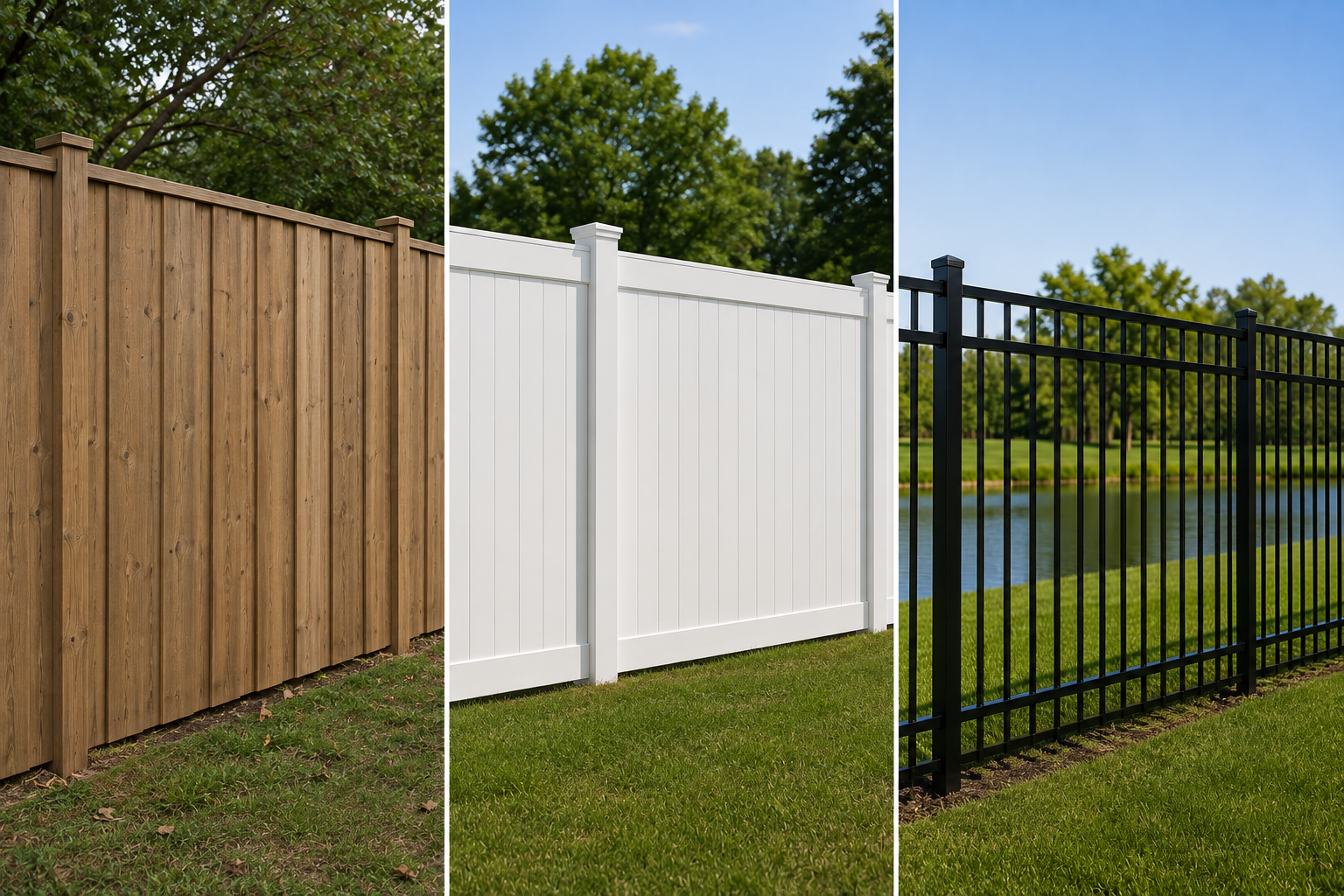
When it comes to fencing in Central Florida, the choice of material has a big impact on your home’s look, upkeep, and durability. Vinyl, wood, and aluminum are the front-runners, each offering distinct strengths and, yes, a few trade-offs along the way. The climate here adds its own twist—between sun that can fade anything, wild seasonal storms, and humidity that tests everyone’s patience.
It’s not just about style or budget—though those are both important. The material you pick sets the tone for how much work your fence will need down the road, how long it should last, and how it’ll stand up against the elements. That’s why we don’t stop at the top three. We also touch on alternatives like chainlink to make sure nothing gets left off the table for those who have different property needs or want a simple, cost-effective solution.
Each type of fencing material brings something different to your property—whether it’s the warmth of wood, the clean lines of vinyl, or the toughness of metal. As we break these down, remember: this isn’t just about what looks good in a picture. It’s about finding what fits your day-to-day life and what’ll still look good five years from now, long after the neighbor’s propped-up fence has seen better days.
Exploring Vinyl Fences, Wood, and Metal Fences
Vinyl fences are made from synthetic plastics like PVC, designed for minimal upkeep and lasting color. They don’t splinter or rot and usually won’t fade as quickly under tough Florida sun as older plastics used to. Vinyl’s smooth surface makes cleaning a breeze—just a hose or soapy sponge does the job for most messes.
Wood fences, the classic American picket, are crafted from natural materials like pine, cedar, or redwood. Wood’s big draw is its traditional charm and the flexibility to be painted or stained any way you like. It’s a solid choice for privacy, can be shaped into decorative styles, and tends to blend well with garden landscapes and older homes alike.
Aluminum fences are lightweight metals, powder-coated to resist rust and corrosion. Aluminum can mimic the look of wrought iron without the heavy weight or intense upkeep. It stands up well to moisture and salt-air—particularly handy if you’re closer to the coast. Aluminum fences won’t warp, and they’re good for keeping pets and kids safely contained while still giving you a view.
Steel fences, while less common for most residential uses, exist at the heavy-duty end of the metal spectrum. They’re strong but need special coating in Florida to fend off rust. Homeowners sometimes use steel for added security or when a more industrial look is needed, but for most yards, aluminum is the go-to for metal fencing.
Considering Chainlink Fences and Alternative Materials
Chainlink fences are made from galvanized or coated steel wire, woven into a flexible mesh. They’re often chosen for being tough, practical, and budget-friendly. While they don’t win beauty contests, chainlink works well for marking property lines, securing pets, or supporting signs in side and back yards.
Other niche alternatives—like composite fences, bamboo, or masonry—show up less often but may fit specific tastes or zoning needs. Compostes mix recycled plastics with wood fibers for reduced maintenance. Bamboo brings a tropical touch, while masonry fences (brick or stone) mean high cost but unmatched permanence. For most properties in Central Florida,
vinyl fence,
wood fence,
aluminum fence, and chainlink fence remain the top contenders, each fitting a different set of priorities.
Cost and Affordability Analysis for Every Budget
Fencing isn’t a one-size-fits-all investment. That’s why understanding the true costs—from the price tag on materials down to hidden charges—matters so much, especially in a state like Florida where weather can impact long-term spending.
In the next sections, we’ll look at what you can expect to pay up front for vinyl, wood, and aluminum installations, factoring in both supplies and professional labor. We’ll also be honest about what these fences cost you to maintain. Upfront affordability is only part of the story—sometimes a fence that seems cheap now will stack up repair costs the longer it stands.
Our goal is to give you real numbers and plain talk so your budget stretches as far as possible. You’ll see which fencing types can save you money long-term and how to balance that with your upfront choices. This practical info is aimed at helping you get the best return on any fence investment, big or small.
Upfront Installation Costs and Affordability
- Vinyl fencing tends to have a moderate to high initial cost. Most Florida homeowners pay between $20 and $40 per linear foot installed, with the majority of cost tied up in material. Vinyl panels cost more up front than wood pickets but arrive prefinished and require little on-site prep.
- Wood fencing offers a wide range of prices. Pressure-treated pine is often the most affordable, around $15 to $25 per linear foot. Premium woods like cedar or redwood can climb to $30–$50 per foot installed, especially for decorative or privacy panels. Cost varies by picket vs. panel choice, as panels install faster but may cost more per foot.
- Aluminum fencing sits between wood and vinyl on the cost scale. Expect $25–$40 per linear foot installed, with custom finishes or ornate posts nudging the price upward. Aluminum panels generally bring down labor costs since they’re lightweight and install quickly, but the base material isn’t the cheapest.
- Panels usually offer faster installation but can cost more per section, while pickets may be cheaper but rack up extra labor charges. A simple “good neighbor” wood fence or basic chainlink is typically the cheapest way up for a finished property line if budget is tight.
- Extras like gates, post caps, and decorative hardware add to any project’s upfront cost, so make sure to budget at least 10–15% extra for those finishing touches no matter which material you settle on.
Long-Term Value and Maintaining Your Fence
- Vinyl fences provide minimal upkeep and solid long-term value. These fences won’t need painting or sealing, resist bugs, and stand up well to most weather. You’ll spend less on ongoing maintenance and see fewer repairs than with wood—plus, vinyl is unlikely to rot or warp over time. Expect a lifespan of 20–30 years.
- Wood fences have a lower initial price but higher maintenance requirements. Plan for regular painting or staining every 2–3 years. Florida humidity, insects, and sun speed up the process of rot and mold, so costs for repairs and replacement parts tend to add up. Depending on upkeep, expect a 10–20 year useful life.
- Aluminum fences hit a sweet spot for longevity and minimal fuss. Once installed, aluminum rarely needs touchups beyond an occasional rinse. With a good powder coating, these fences resist rust and stay looking sharp even with salt and sun. Many last 30 years or longer, offering strong long-term ROI.
- Chainlink and basic steel fences are low-maintenance and inexpensive to repair, but they don’t add as much property value or curb appeal. Their utility and affordability stand out for rental properties or functional enclosures where appearance is a lesser concern.
- Resale value, curb appeal, and insurance implications can tip the scales between materials. Wood offers classic charm; aluminum looks high-end; vinyl stays tidy for years. In Central Florida, buyers may value easy care and a fence that stands up to storms, which can steer choices toward aluminum and vinyl despite the higher initial cost.
Aesthetics and Design Versatility for Your Home
The fence you choose is often one of the first things visitors and neighbors notice about your home. In Central Florida, where sunshine and green lawns set the stage, fencing materials can either elevate or clash with your property’s overall look.
This section focuses on how vinyl, wood, and aluminum differ when it comes to visual impact. We’ll look at customization options for color, style, and texture, revealing how each material can be tailored to fit traditional or modern homes. For many, it’s about getting a fence that blends seamlessly with landscaping and complements the house—rather than just marking the edge of your lot.
We’ll also call out the flexibility wood offers for those who crave a personal touch, as well as style innovations in vinyl and aluminum that cater to diverse tastes in Florida’s fast-changing neighborhoods. The appearance of your fence can influence property value, so think of this as an investment in both security and curb appeal.
Aesthetics and Design Versatility of Fencing Materials
- Vinyl offers a sleek, low-gloss finish and lots of color choices. It can mimic the clean lines of painted wood or take on bolder hues to match modern homes. Many manufacturers offer a wide range—think traditional white picket, tan, gray, or even textured options to look like wood grain.
- Wood remains the king of custom aesthetics and warmth. It can be painted, stained, or left to weather naturally. Classic pickets, shadowbox panels, split rail, and board-on-board—almost any look is possible. Choices in paint or stain unlock a near-endless variety of tones and finishes.
- Aluminum fencing brings elegance and open views. Powder-coated colors keep their shine and resist fading. Aluminum styles tend to be more open, with vertical pickets or wrought-iron-inspired scrollwork—perfect for pool enclosures or framing a manicured lawn. For a modern twist, horizontal railings and bronze or black coatings are popular.
- Vinyl and aluminum both allow for custom height and decorative details, including lattice tops, scalloped edges, or privacy slats. They’re engineered for clean, uniform lines that can look fresh for years.
- The best material for style versatility is wood, since it can be shaped, carved, or mixed with stone, brick, or metal for a statement fence section. However, innovations in vinyl and aluminum mean you can get almost any look—even on a tight schedule.
Customizing Wooden Fences and Height Options
- Wooden fences are the top choice for personalized designs. You can combine a variety of picket tops, caps, and scalloped edges, or mix widths and spacing to fit either privacy or decorative needs.
- Painting and staining wood lets you match or contrast any exterior. Classic white paint, deep browns, or even coastal-inspired color washes—all are possible, and can highlight gardens or accent architectural details.
- Height flexibility is high with wood fences. Choose low front-yard pickets (3–4 feet) or tall backyard panels (6–8 feet) for privacy. You can even step fence sections up or down to follow hilly ground.
- Specialty shapes like arched, scalloped, or custom-carved top rails are easy to achieve in wood, making it simple to mirror a period style, historic detail, or just break up the monotony of long runs.
- Decorative hardware and inserts—think lattice, metal accents, or post caps— can be swapped in and out over time to refresh your fence without a full replacement.
Durability, Maintenance, and Climate Factors
Central Florida’s heat and humidity don’t play around. The right fencing material doesn’t just look good on day one—it needs to stay upright and sharp-looking through blistering sun, sudden storms, and plenty of wet seasons.
This section tackles two key factors: how much effort each material needs to stay in shape, and how well it stands up against local weather and environmental challenges. For Florida homeowners, fences that buckle, rot, or fade too fast can turn a solid investment into a headache, so it pays to look beyond just style or cost.
Let’s break down expectations, keep things realistic, and help you narrow in on a fence that’s right for both your property and our infamous Florida climate.
Maintaining Your Fence and Cleaning Wood Fences
- Vinyl fences require little maintenance. A quick rinse with a garden hose or the occasional spot of dish soap clears up most dust and mildew. There’s no fading, splintering, or need to repaint.
- Aluminum fences are virtually maintenance-free. They resist rust and need little more than occasional rinsing, even in salty air or close to the ocean. The powder-coated finish doesn’t peel or chip easily.
- Wood fences need regular attention in Florida’s climate. Expect to wash them yearly with a gentle power wash or a scrub brush and cleaner to prevent mildew and mold. Seal or repaint every couple of years to block moisture and sun.
- Cleaning tips for wood fences: Use a mix of water, soap, and just a splash of bleach to kill mold. Inspect yearly for loose nails and soft spots. Apply stain or sealant for protection, targeting the start of the rainy season.
- Pro tip: Keeping up with small fixes (like swapping out cracked pickets) extends the life of wood fences and delays major repairs.
Climate Factors Affecting Fencing Choices
- Vinyl stands up to humidity and sun, but severe heatwaves or impacts from flying debris in hurricanes can cause rare warping or cracks. Well-installed vinyl holds strong through most Central Florida storms, though extreme temperatures may shorten its lifespan over decades.
- Wood is vulnerable to Florida’s humidity, which can trigger rot, swelling, and warping without steady upkeep. Termites and carpenter ants are a risk, but pressure-treated lumber and regular sealing help prevent damage.
- Aluminum shines in harsh Florida weather. It won’t rust, corrode, or change shape, even when battered by sun or salt. If a panel is damaged by a storm, it’s usually easy to replace a single section without pulling up the entire fence.
- Environmental impact varies: Wood is biodegradable but can require chemical treatment and must be responsibly harvested. Aluminum is fully recyclable and has a low carbon footprint if recycled content is used. Vinyl is less eco-friendly in production, but long lifespan and minimal maintenance keep its overall environmental impact competitive over time.
- Always assess flood risks and local wind codes before building. Aluminum and properly braced vinyl fences often fare best in flood zones or areas prone to high winds—reducing the chances of property damage and future headaches.
Types of Wood Fencing and Their Benefits
Not all wood fences are built the same. The type of wood you choose—cedar, redwood, or pressure-treated pine—will affect how long your fence lasts, what it looks like, and how hard you’ll need to work to keep it looking its best.
In Florida, climate and insects are big considerations. Some woods naturally stand up better to rot and termites, while others need reinforcing or regular treatment. Price also varies from bargain pine to more premium cedar or redwood.
This section gives you a closer look at each wood type and their biggest advantages. We also dive into how wood fences can be customized with your own touch, making them a favorite for folks who want something traditional or unique.
Cedar, Redwood, and Pressure-Treated Pine Options
- Cedar is naturally resistant to rot and bugs, making it a smart choice in Florida’s damp climate. It has a reddish hue, fine grain, and gives off a pleasant scent. While pricier than pine, it rarely warps or cracks if maintained, and looks elegant without heavy staining.
- Redwood is a premium fencing material, admired for its rich color and straight grain. It’s highly durable and long-lasting, with great natural resistance to decay and insects. The cost is usually highest of the three, so it’s often reserved for statement sections or homes where aesthetics outweigh budget.
- Pressure-treated pine is the budget hero. It starts out with a greenish tint (from the treatment process), but can be stained or painted any color. This wood is treated to withstand rot and pests, but still needs maintenance to avoid splitting or warping. It’s your best option for large projects on a limited budget.
- Cost comparison: Pine is lowest, cedar is moderate, and redwood is highest—plan your pick based on both security needs and how visible you want your fence to be from the street.
- Best use tips: Reserve redwood and cedar for front-facing or highly visible fences. Use pressure-treated pine on larger, less visible back or side yards where price per foot is more important than show-stopping looks.
Benefits and Customization of Wood Fences
- Wood fences exude timeless charm and natural beauty, serving as a classic choice for privacy and property boundaries.
- Flexible design makes wood the most customizable option, with endless picket shapes, heights, and decorative add-ons like lattice or post caps available.
- Paint and stain allow homeowners to match fences with any exterior, creating seamless transitions from your house to the yard or accentuating landscaping features.
- Easy repairs are a plus—replacement pickets and panels are widely available, and damaged sections can be swapped without starting over.
- Wood’s versatility makes it ideal for unique or sloped yards, letting you “step” or “rack” panels to follow hills and uneven ground, which adds uniformity and helps with local code requirements.
Installation Tips, Suppliers, and Making the Right Choice
Getting your fence from dream to reality is half art, half solid planning. Whether you’re handy and want to tackle it as a DIY project or you’re calling in the pros, knowing the basics about installation makes it go smoother—and can save you money or headaches down the line.
This section sets you up with tips on picking the right approach: fence panels vs. pickets, customizing fence height, and what fits your lot or privacy preferences. We’ll also arm you with key questions to ask at the home improvement store or when screening local fence contractors—because who you hire matters as much as what you buy.
The aim here is to make you an informed fence owner: someone who gets the job done right the first time and knows how to keep contractors honest and the HOAs happy.
Fence Installation Tips and Customizing Height
- Measure twice, dig once: Always double-check property lines to avoid disputes and check local codes before setting the first post.
- Panels vs. pickets: Panels install faster and are more uniform, while individual pickets allow for customized spacing and easier repairs.
- Height matters: Standard heights are 4 ft. for front yards, 6 ft. for privacy, and 8 ft. for extra screening—always confirm HOA or city height restrictions before building taller fences.
- Easy upgrades: Add lattice tops or scalloped accents for a stylish top edge, or step fence sections on a slope for a level look.
Questions for Fence Supply and Choosing a Contractor
- Are you licensed, insured, and familiar with local requirements?
Make sure any contractor or installer knows Florida zoning laws, HOA rules, and is covered in case of accidents. Ask to see all paperwork before hiring. - What materials and brands do you recommend?
Reliable suppliers will explain differences in panel vs. picket construction, which brands offer the best warranties, and how choices impact longevity and aesthetics. - Can you provide a clear, written estimate?
Good contractors break down costs for materials, labor, permits, and extras. Don’t tolerate vague or “ballpark” numbers—clarity upfront prevents disputes later. - What’s the installation timeline and process?
Ask how long the job will take, from gathering materials to clean-up. Fast isn’t always best; quality installation beats speed for long-term performance. - What type of warranty do you offer—and what does it actually cover?
A real warranty should include parts and labor, not just factory defects. Find out who you call if something goes wrong three years from now.
Frequently Asked Questions and Final Takeaways
Chances are, you still have a few what-ifs or second guesses bouncing around before making that final fence decision. This section wraps up the process and helps clear up common questions about cleaning, cost, customizing, and which fence option truly suits your Florida property.
We’ve covered materials from every angle, but sometimes it’s those last-minute “How much?” or “What if it rains?” queries that make a difference. We want to help you walk away confident, with a checklist you can share with family or your contractor.
In these final lists, get answers at a glance and a quick recap of the biggest points from our guide—so you make a decision you’ll be proud of when the fence is in, the paint is dry, and the neighbors come asking for tips.
Frequently Asked Questions About Fencing Materials
- How do I clean a wood fence in Central Florida?
Power wash gently or use a soft brush with soap and water. Treat with a wood-specific cleaner or a mild bleach solution to prevent mold. Reseal or stain after cleaning for lasting protection. - Which is the cheapest fence to install?
Pressure-treated pine and chainlink fences are usually the least expensive for both material and labor. Vinyl and aluminum cost more upfront but can save you maintenance dollars later. - Are panels or pickets better value?
Panels are faster to install, saving on labor, but can be more expensive per section. Individual pickets give you flexibility for repairs and creative designs but take longer and might rack up labor charges. - Can I customize the height of my fence?
Yes—most materials allow this. Wood offers the greatest flexibility, but both vinyl and aluminum can be ordered or cut to custom heights, provided you follow local codes and HOA guidelines. - Which fence material lasts the longest?
Aluminum and quality vinyl fences offer the best longevity in Florida, often lasting 20–30 years or more. Well-maintained wood is durable but more vulnerable to weather, so expect shorter lifespans unless you keep up with regular upkeep.
Key Takeaways and Factors to Consider in Your Decision
- Budget: Upfront cost matters, but consider lifetime maintenance, too—sometimes paying more now saves you later.
- Style: Wood wins for custom design, but vinyl and aluminum offer polished looks with minimal upkeep.
- Durability: Aluminum handles Florida’s storms and sun best, while vinyl fights off rot and mold.
- Upkeep: Vinyl and aluminum need very little; wood requires ongoing attention but can be refreshed multiple times.
- Property and climate fit: Think about long-term value and resale in your neighborhood, along with how the fence will stand up to Florida weather and HOA rules.
Ready to Choose the Right Fence for Your Property?
Every yard, budget, and style preference is different — which is exactly why there's no single "best" material for every Central Florida home. If you're still weighing your options, our team can walk you through our fence installation services and help match a material to your property, your maintenance tolerance, and your budget.
Not sure what a project like yours actually costs? Request a free, no-pressure estimate and we'll give you real numbers instead of a ballpark guess. If you're weighing vehicle access or a statement entrance, ask us about custom gate options as part of your design.
Want to see how these materials look in real Central Florida yards before you decide? Browse our completed fence projects for inspiration, or read what past customers have to say about their experience working with us. And if you're leaning toward vinyl, our homeowners guide to vinyl fencing breaks things down even further.
Have a larger property, paddock, or acreage to fence in? Our farm and field fencing services are built for exactly that.
Lifetime Fence & Deck